
MY CORE modalities
THE POWER OF
To maximize client results, these five self-development modalities shape the relational-somatic approach I use in my coaching, training, and consulting work. Depending on your interests and goals, we can either integrate the full range of modalities or focus specifically on one or more of them.

(PVT)
1) Polyvagal Theory
Proven PVT research shows how the autonomic nervous system responds to conditions of both "safety and connection" and "stress and threat". By helping us recognize our nervous system states and understand how those states influence our thoughts, emotions, and behaviors, PVT supports greater self-awareness, system regulation, and the ability to respond to all of life's challenges and opportunities with more choice and effectiveness.

(SE)
2) Somatic Experiencing
TM
Although SE was originally developed to resolve trauma, its focus on tuning into our inner bodily experiences can benefit us all. Given somatic means “of the body,” SE helps us become more aware of how our body communicates our needs, values, desires, and inner wisdom. We can better recognize what matters most, respond more intentionally, and make choices that support healthier relationships, stronger performance, and greater fulfillment.

3) Internal Family Systems
(IFS)
IFS is a psychological model that can be applied to everyday life. By helping us understand and better relate to the different — and sometimes conflicting — parts of ourselves that shape our thoughts, emotions, and behaviors, it cultivates greater Self-leadership, clarity, and self-compassion. These support more productive and fulfilling relationships (both with others and within ourselves), as well as improved personal and professional outcomes.

b) The Enneagram

a) The DiSC
4) Behavioral & Personality Style Models
This streamlined model helps us understand one's behavioral style — our natural communication, work, and leadership style — as well as how our preferences can differ from other people's styles. By increasing awareness of our behavioral tendencies, strengths, likely challenges, and skill gaps, it supports greater agility, more effective communication, stronger relationships, and improved personal and professional results.
This expansive model explores patterns of thinking, feeling, and behaving — including deeper motivations, fears, desires, and underlying beliefs — as dimensions of one’s personality style. It is a deep dive into self-development that supports the same personal and professional benefits as DiSC (as described in the box to the left), while also fostering greater self-awareness, a sense of inner meaning, and connection to one’s authentic self.
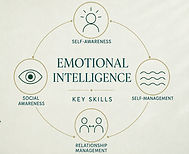
5) Emotional Intelligence
Quotient Skills (EQ)
EQ is our ability to recognize, understand, and manage our own emotions while also recognizing and responding effectively to the emotions of others. These skills span four categories: self-awareness, self-management, social awareness, and relationship management. By developing clearly defined EQ skills most relevant to our goals and/or workplace roles, we can improve our relationships, performance, and leadership impact.